Social impact through mutually beneficial knowledge-exchange
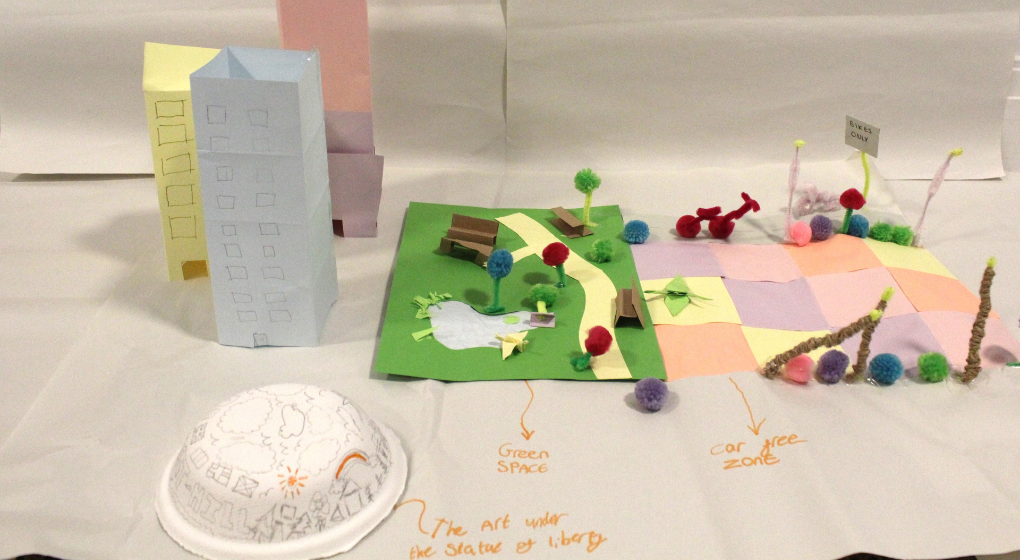
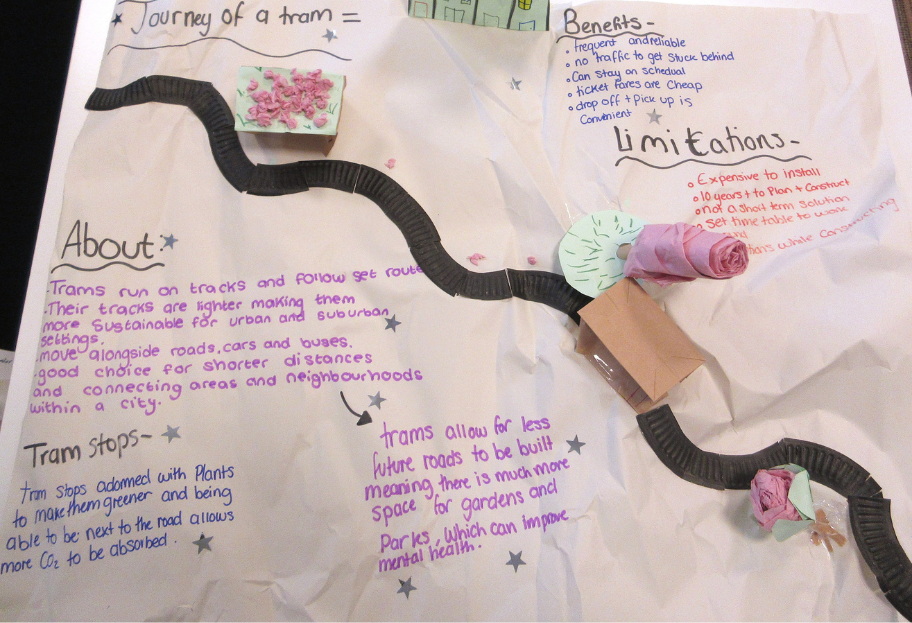
When researching with and within our communities, there is always the concern that research can feel extractive rather than restorative. In order to ensure that our in-school design sprints were equitable, we designed them as opportunities for knowledge exchange, rather than knowledge extraction. We designed the sprints as learning experiences, where young people would develop key employability skills like teamwork, communication, and creative problem-solving. Through the sprints, young people learned the tools of design-thinking directly from practitioners in the field. They learned about careers in research, design, and transport, and the wider green economy. They boosted their own social capital through experience collaborating with co-designers from respected institutions like Lancaster University, the University of Leeds, and the Royal College of Art. This creates a more equal exchange for the wealth of lived experience and insight young people have contributed to this phase of the research project.
And we know this intended impact became a reality – because we asked! Of the 185 young people who took part in INFUZE design sprints in 2025, 92% reported an increased knowledge of green jobs, 91% developed their teamwork skills, 83% developed their speaking and listening skills, and 90% left with an increased understanding of how the world of work is changing to benefit the planet.
It is worth noting also that what young people often value, sometimes even above the skills and employability benefits of taking part, is the opportunity to tangibly influence positive changes in their community and environment. On one memorable occasion, a student who had initially been tricky to engage called me aside to ask how he could do “more of this stuff”. “You know,” he asked, “like giving my opinion?” What followed was a conversation about some of the different opportunities for self-advocacy and active citizenship that are open to young people, which he seemed genuinely excited by and eager to pursue in future. Not only did students leave these sessions more skilled, they left more engaged with the world around them and empowered to value their own vision for its future. You don’t have to take our word for it either, here’s a sample of the responses students shared to the provocation “what is something you’ll do in future as a result of today’s activity?”:
- “Express my ideas”
- “Contribute to the community by pitching ideas on how to make it better”
- “Be confident when having to speak or present”
- “Be more creative”
- “Build on my idea today”
- “Think more about my relationship with neighbours and my part in the community”
- “Campaign for climate activism”
- “Be more confident in groups tasks, possibly a job in how to better the future physically and socially since I had a lot of fun”
- “Talk and cooperate more”
Students who were asked for their views on the future of mobility in Leeds not only became more engaged with this topic, they developed a broader self-belief and conviction in their ideas. Many discovered a desire to remain engaged in the shaping of their community and their futures. These benefits have the potential for lasting impact that extends beyond this project and into their wider lives and our shared society.